Creative direction
Web UX/UI
Strengthening and future-proofing a mature ecosystem for a global charity working towards a world where everyone, everywhere has access to clean water, decent toilets, and good hygiene.
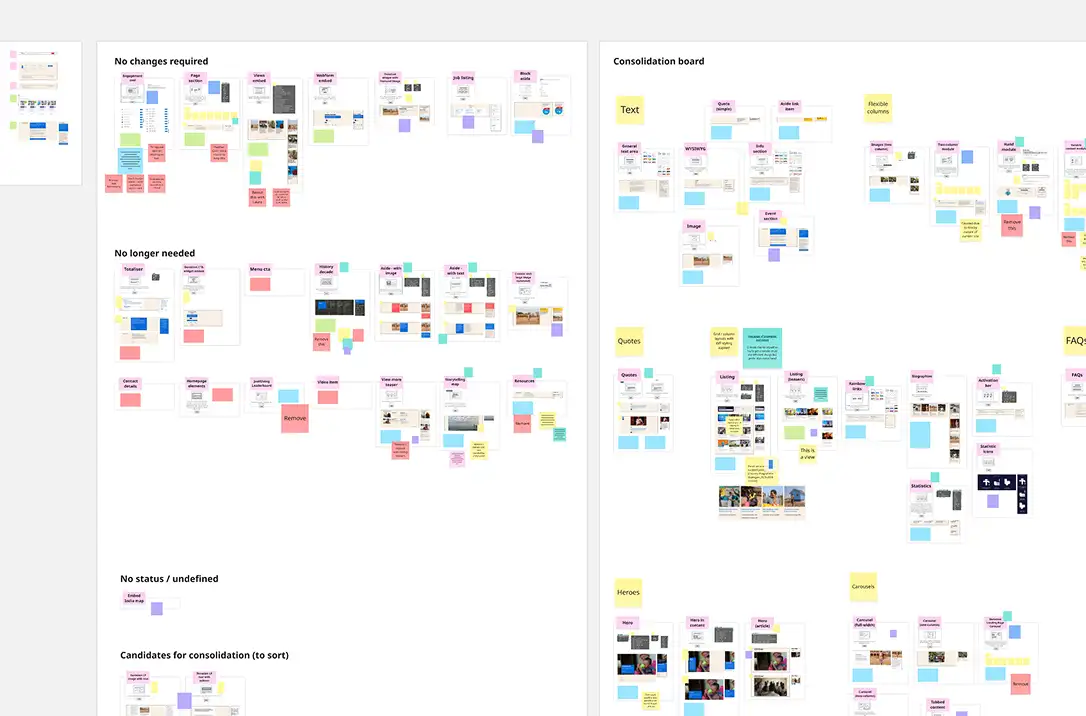
As a global charity, WaterAid faces a number of unique challenges with varied objectives serving different audiences around the world, across 22 sites. System and operational inefficiencies combined with complex content workflows and inconsistent experiences take valuable time away from product and content teams and cause friction in user journeys. To meet these challenges, we needed to identify opportunities and work out an approach to create a unifying website that can serve the organisation as a whole, as well as its varied audiences.
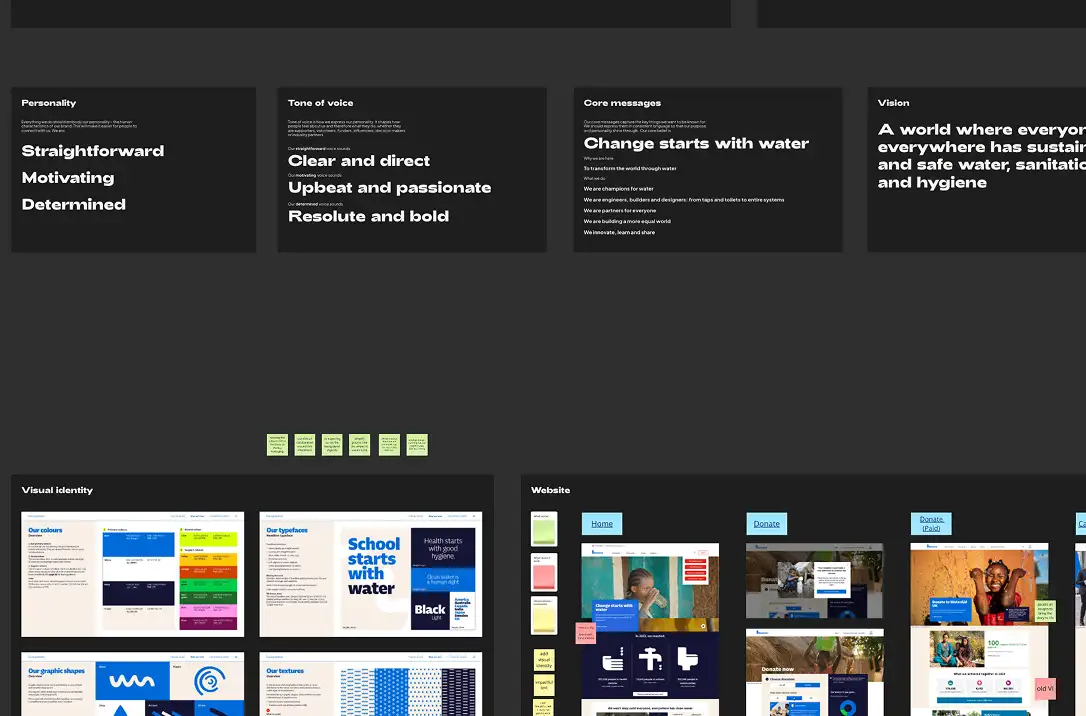
In addition to overall site improvements, WaterAid had recently undergone a rebrand, evolving a brand that had been established for five years. My role included applying the new brand and visual identity to the digital experience to truly reflect WaterAid’s mission, vision and personality.
I was part of a core team of design and tech specialists working in partnership with WaterAid’s digital product and content teams from scoping and discovery through design and build, to a phased launch between January and May 2026.
The project was set up with a long-term roadmap to enable a more strategic approach, focusing on the most impactful areas and highest value priorities. Following conversations with the client, and research around the challenges they faced, we established six strategic opportunities designed to work together as a unified approach. These go beyond simple technical fixes, and encompass wider transformational changes aimed at reducing costs, simplifying workflows and freeing up teams to focus on mission-critical work.
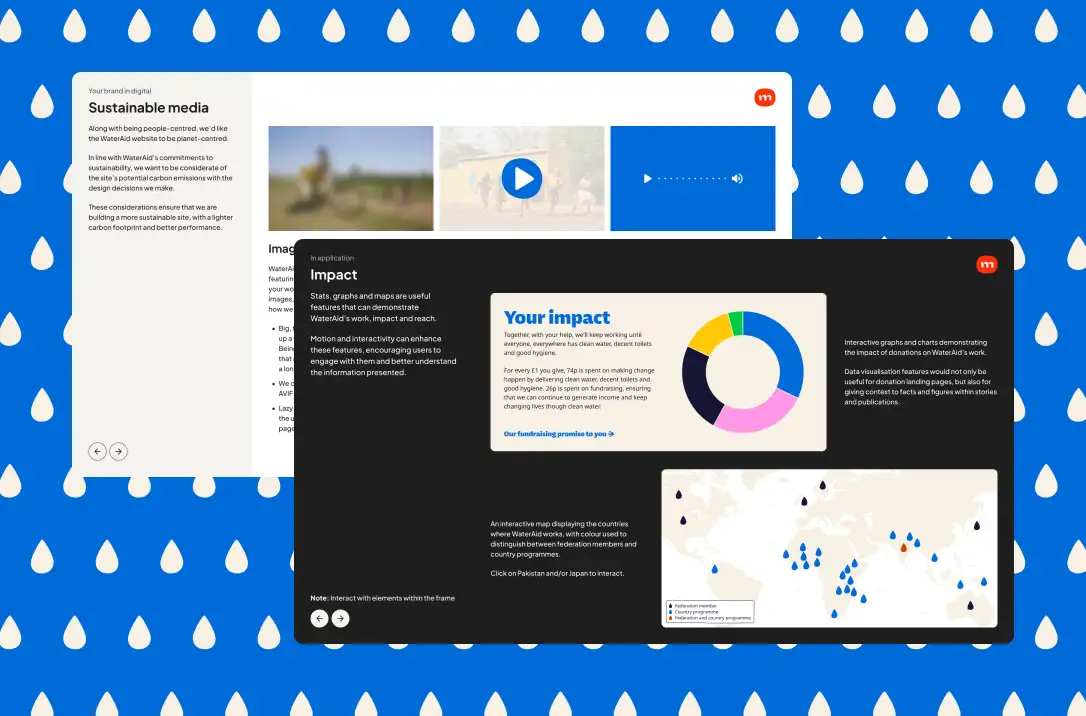
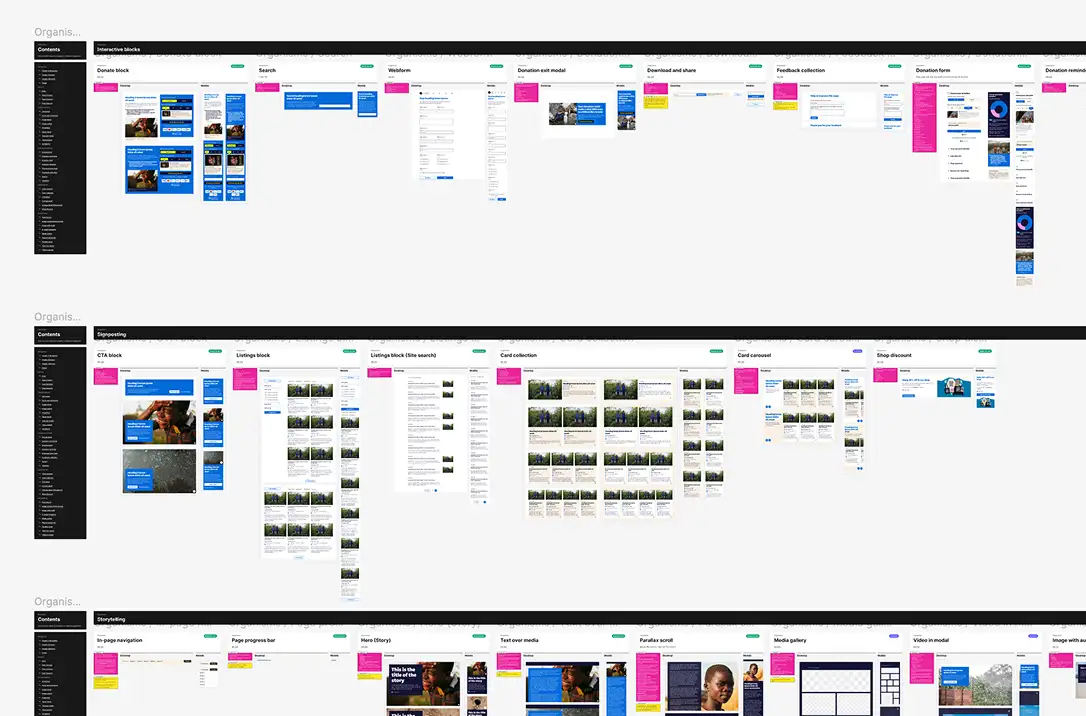
These opportunities included simplifying and unifying the CMS and introducing a new design system to create a more consistent yet flexible website; streamlining site navigation and user journeys for smarter content relationships that guide users toward meaningful action; and boosting storytelling and engagement capabilities, giving content editors more control and making WaterAid’s impact as visible and compelling as it can be.
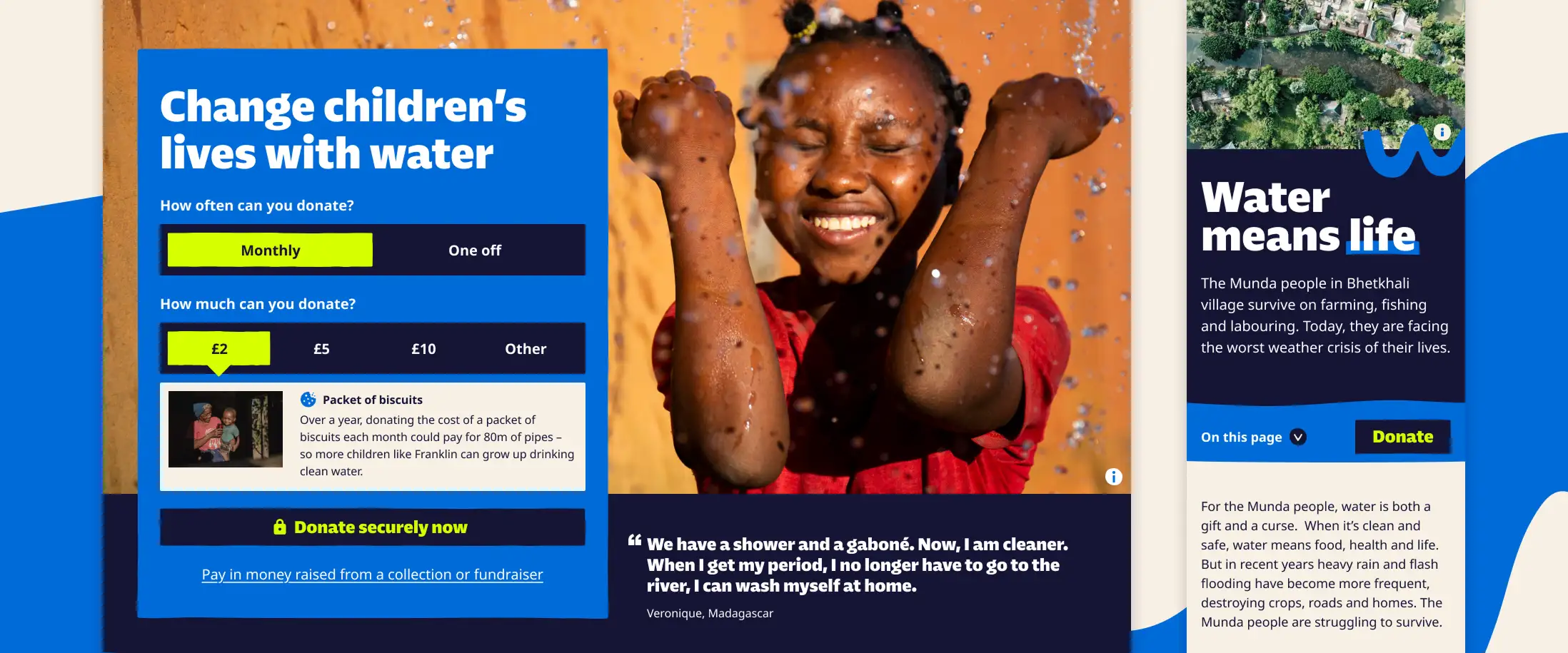
The latter was a primary focus for the website’s design direction as we looked to reduce the use of third party products, instead moving towards a bespoke, component-based, flexible solution within the CMS. Sustainability is a big consideration for WaterAid and I wanted to ensure the design allows content editors to produce stories which could engage and inspire audiences without relying heavily on rich media as many third party storytelling tools do. This meant working closely with WaterAid’s content teams, analysing current story content and ambitions for future stories, introducing alternative components and aligning around a new approach to be more purposeful with image and video.